
John is a 39‑year‑old man with dyspraxia who lives independently and loves technology. For him, AI isn’t about gadgets — it’s about feeling safe, organised and connected.
He uses Alexa, Google Assistant and Samsung’s built‑in tools to manage daily tasks: setting reminders, making a coffee safely, checking spellings and using dictation when typing is difficult. Chatbots help him sort out bills so he avoids debt, and his smartwatch tracks his health in ways that feel simple and manageable.
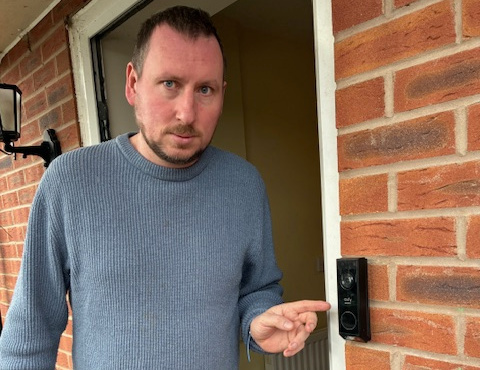
What makes the biggest difference is his EUFY smart doorbell and home cameras. They recognise people, cars and parcels, and store footage locally so he doesn’t pay monthly fees. Living alone, this gives John real peace of mind — he knows who’s at the door, when deliveries arrive, and when not to answer. His dash cam offers the same reassurance when he’s driving. It's helped John in the past articulate an incident by accessing it through his phone.
AI also strengthens his relationship. John’s girlfriend has physical disabilities and sometimes stays at his flat when he’s at work. Through Alexa’s camera and voice calling, she can simply say “Call John” and reach him instantly. He can see she’s safe, and she doesn’t feel alone.
John knows he’s confident with tech, but many people aren’t. He wants AI to be easier to set up, more accessible, and better understood. Through John's networks he knows that people do not know what AI is available to support them to live their daily lives. Some simply can't afford the set up or don't have reliable internet. Those that want it worry about struggling to set it all up. His message is simple:
“AI can help you with life. It makes things easier but more support needs to be out there for people to be able to access AI"
For John, everyday AI quietly supports independence, safety and connection — the things that matter most.