
Kieran is 25 years old. As someone who is autistic and lives with anxiety and depression, everyday tasks can sometimes feel overwhelming - especially when communication and depression build up. Over time, he has found that a mix of AI tools and wellbeing apps help him stay grounded, organised and confident.
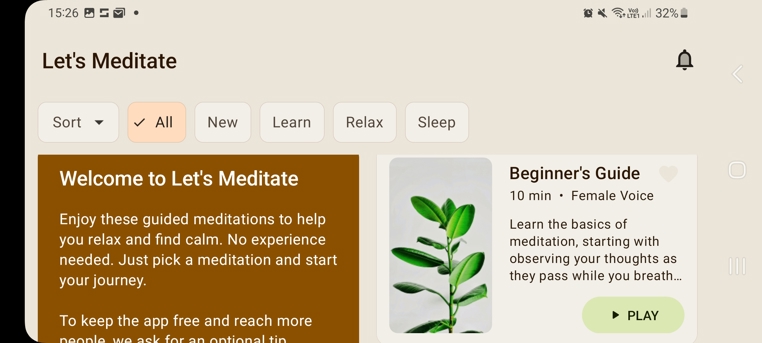
Kieran uses Co‑pilot, meditation apps, Spotify and ChatGPT. Most of them are free, apart from Spotify’s £3.99 ad‑free version and optional upgrades on meditation apps. What matters to him isn’t the technology itself, but how it fits into his routine.
When anxiety rises, Co-pilot gives him a calm space to say or type out how he feels without judgement. It offers grounding techniques, helps him phrase things clearly, and supports him to rewrite messages or emails when words feel stuck. At work, it's become a quiet partner in the background-helping him to plan projects, structure documents and stay independent.
AI has also enabled Kieran to discover new tools, like mediation apps that support relaxation. Having something that doesn't talk back helps him calm down faster and feel more in control.
But Kieran is careful he knows AI is not a counsellor, and he doesn't take every suggestion at face value. He also feels strongly that mental health apps shouldn't hide support behind walls- if games can be free, why not wellbeing tools that people rely on.
Here is his advice: use apps as support, not a cure. Keep a routine, don't depend on them too much and set them up in a way that works for your needs - like typing instead of speaking on low energy days.
Kieran plans to keep using AI, but with awareness and boundaries. He believes that the government should include more government-funded mental health apps, especially ones designed by people for people.