
Rich didn’t set out to become a tech trailblazer. He just wanted to live life on his own terms—with dignity, independence, and a bit of curiosity. What started as a simple experiment with Alexa turned into a quiet revolution in how he navigates daily life and social care.
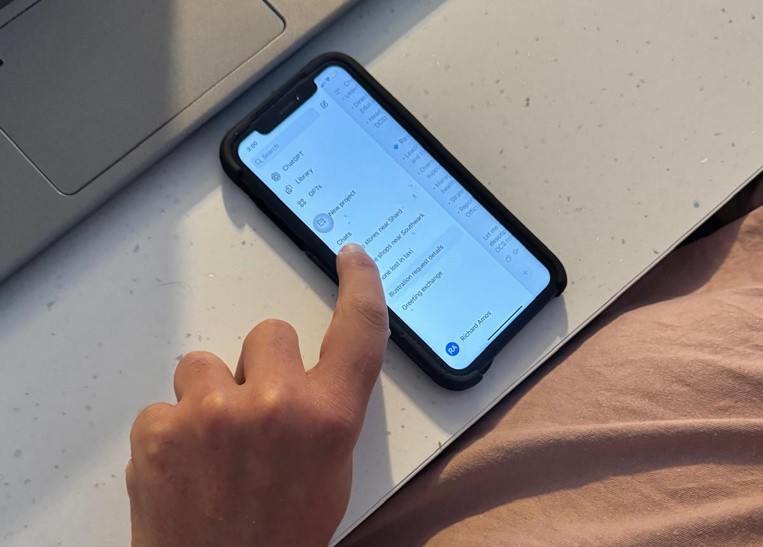
Rich first heard about voice assistants and AI tools through word of mouth. No training. No tech guru guiding the way. Just a willingness to try. Alexa was the first purchase—about £100
Rich explored ChatGPT, Copilot, and even dabbled with Dragon.
“I didn’t need someone to show me. I just gave it a go,” Rich said. That spirit of exploration opened doors to tools that now help him manage routines, ask questions, and feel more in control.
Knowledge is power
Rich uses AI to get answers fast—whether it’s understanding legislation, planning care conversations, or just asking random questions. With limited mobility and typing ability, voice tools make things quicker and easier.
“Typing with one arm takes time. Speaking to Alexa or ChatGPT speeds everything up,” Rich explained. “It’s like having a smart friend who’s always there.”
While Rich doesn’t use AI to write formal support plans, he does use it to prepare. Understanding policies, knowing his rights, and feeling confident in meetings with social care professionals—all made easier with AI.
“It helps me be the best prepared version of myself,” Rich said. “I walk into those conversations knowing what I’m talking about.”
Rich is aware of the limitations of AI. He’s concerned about data protection, accuracy, and accessibility—especially for people with visual impairments or learning disabilities. He also believes social workers need more digital confidence to keep up.
“AI should work for everyone,” Rich said. “And it should never replace human support. It’s a tool, not a substitute.”
Rich’s message to others is simple: “Have a go.” Try Alexa. Ask ChatGPT a question. Explore what’s possible. And don’t be afraid to ask friends or peers for help.
“AI gave me more independence. More knowledge. More control,” Rich said. “It’s not perfect, but it’s powerful.”
Shifting the power
Rich believes AI can help rebalance the relationship between people who draw on social care and the systems that support them. With accessible information, people can advocate for themselves and make informed choices.
“AI helps put power back in our hands,” Rich said. “If we can access the right info, we can shape our own lives.”
Rich’s journey shows how AI, when used thoughtfully, can become a partner in care, a source of empowerment, and a quiet force for change