
Sally is a parent carer and a university staff member who uses AI tools to support her son Daniel and manage daily life. Sally uses AI tools to help with admin, communication, and promoting independence.
Sally never set out to become an expert in artificial intelligence. She learned about AI through her children and her work. Like many carers, her days were full supporting her son Daniel, managing household tasks, and navigating the maze of paperwork that comes with caring. But slowly, almost without realising, AI became part of her toolkit.
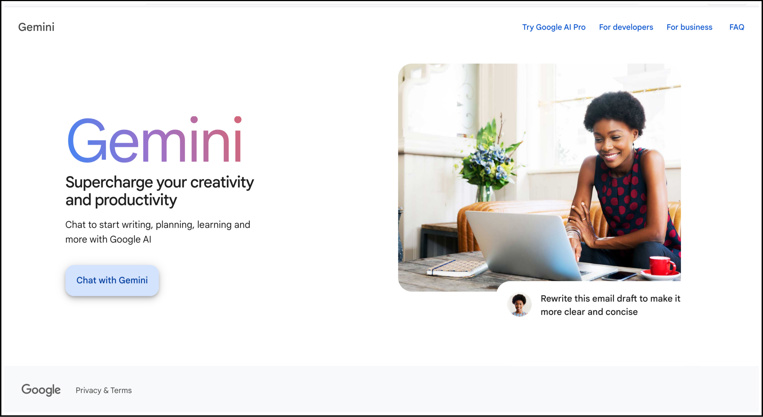
It started with her children. They were always one step ahead with tech—asking Alexa questions, using apps like Gemini on their phones, and chatting with AI tools like ChatGPT. Sally watched, curious. Then one day, she gave it a go herself.
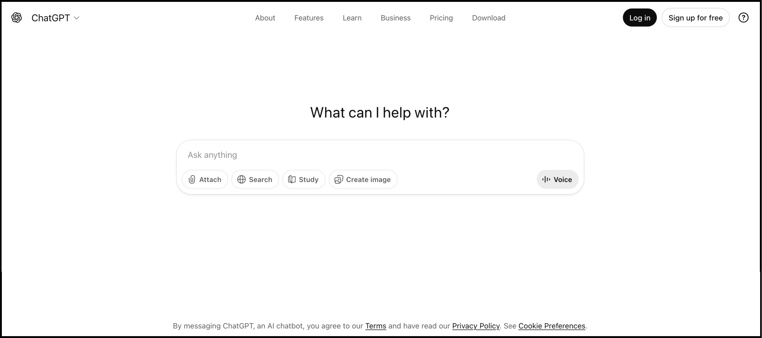
“I just needed help writing a letter,” she said. “Something to explain Daniel’s needs clearly to the council. I opened ChatGPT and typed in what I wanted to say. It didn’t just help—it saved me hours.”
From that moment, Sally began using AI tools more often. Alexa became her go-to for reminders and quick questions. ChatGPT helped her summarise complaints and draft emails.
Gemini, with its visual layout, was especially helpful for her accessibility needs. Even Copilot joined the mix, supporting her with work-related emails and planning.
She didn’t need fancy equipment. “I use my phone,” she explains. “I haven’t paid for any upgrades. It’s all free—and it works.”
That accessibility mattered. Sally knew other carers didn’t always have spare money or time to learn complicated systems. But these tools were simple, and they made a difference.
Sally using ChatGPT to summarise a complaint letter, with Daniel nearby using Alexa for reminders
One of the biggest shifts was how AI supported Daniel’s independence. With Alexa, he could get reminders, ask questions, and feel more in control. Sally could check in remotely, giving both more freedom. “It’s not just about saving time,” she said. “It’s about dignity.” Sally’s AI toolkit is practical and accessible. Each tool plays a different role—from drafting emails to supporting her son’s independence.
Of course, there were challenges. Sally worried about privacy—should she let AI remember personal details? And could she trust the answers it gave, especially when it came to Daniel’s care? She didn’t want the tech to replace her judgement, just to support it.
She also saw a gap in education. “We don’t need the AI to change,” she said. “We need help learning how to use it. Adult education courses, basic training—something that makes it feel less scary.”
Sally’s advice to other carers on how to use AI are:
- Start small—use AI to collate evidence or write letters
- Don’t worry about cost—free tools are enough
- Think about independence—AI can empower the people you support
- Explore funding—some families use Family Fund or direct payments to access devices like Alexa. An example of this is when a member of the family may be in supported living, the rest of the family can contact that person to see how they’re doing and if they’ve completed their daily tasks such as brushing their teeth.
- Trust and privacy matter. Sally weighs the risks of memory features and misinformation—especially for Daniel.
The future
Looking ahead, Sally imagined a future where AI links up with NHS apps, updates health passports automatically, and gives carers secure access to digital records. But she was clear: carers must be part of that journey. “We know what works. We live it every day.”
Her story is a reminder that AI isn’t just for tech experts—it’s for anyone who wants to make life a little easier, a little more dignified, and a lot more human. For Sally, AI isn’t about replacing care—it’s about reclaiming time, amplifying voices, and making the invisible visible.