
The March 12 event, held at the University of Birmingham, was the second meeting of the Community of Practice for Commissioners and Researchers
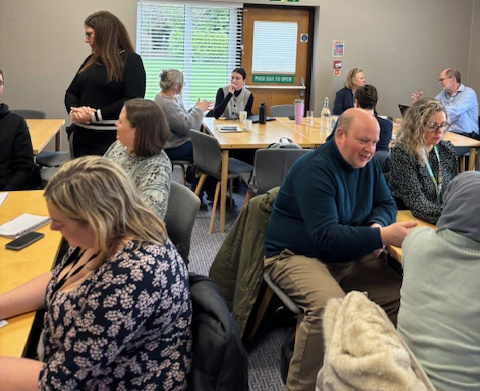
The well-attended meeting was chaired by Graham Betts CBE and Patrick Hall, who reiterated the CoP’s purpose: strengthening the relationship between commissioning and research to improve evidence, practice, and outcomes across adult social care.
The event brought together commissioners, researchers and partners from across the West Midlands and national universities looking to strengthen evidence‑informed commissioning and support the development of a research‑active social care system.
The first presentation was from Professor Matt Bennett, University of Birmingham who outlined work commissioned by DHSC to design and pilot a national, representative survey of unpaid carers, covering diverse experiences, needs and outcomes. The project includes co‑design panels, piloting sampling models, and future‑proofing through administrative data linkage and longitudinal design. West Midlands is a key pilot area.
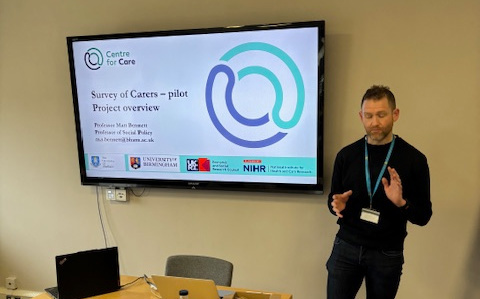
There are opportunities for commissioners to get involved by joining co‑design panels (five 2‑hour sessions); participating in a local authority panel for colleagues working on carer wellbeing, strategy and delivery; and by helping shape the question set, particularly for carers supporting people with dementia or learning disabilities.
Next up, Keshena Bowie described Birmingham Voluntary Service Council’s programme that is training community researchers from diverse backgrounds in research methods, ethics, interviews, and thematic analysis. Community researchers are paid in accordance with NIHR guidance and projects typically run 16–18 weeks. The model is used across public health and NHS‑funded work.
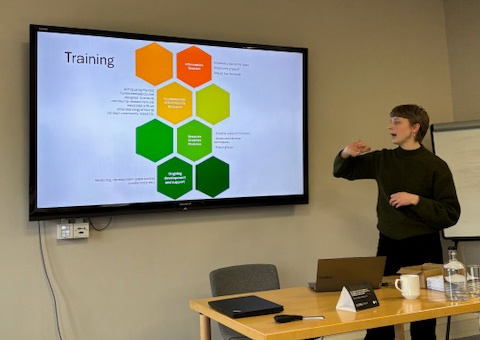
Opportunities to get involved include commissioning community‑based qualitative research, and using community researchers to access communities and capture lived experience insights.
Patrick Hall then shared findings on the identity and culture of commissioning, highlighting discomfort among some practitioners with the “commissioner” label and the need for clearer professional identity, career pathways and competencies. He provided historical context from post‑war social care to modern commissioning practice.
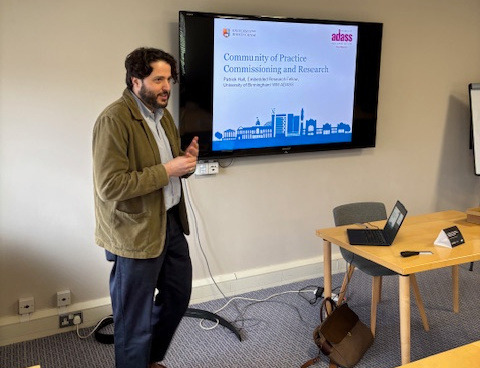
There are opportunities for people to get engaged in ongoing work exploring commissioning identity, skills and development pathways.
In the final presentation Dr Steve Williams of University of Birmingham described an NIHR‑funded project exploring hidden costs of hospital discharge for older adults, families, NHS and social care. The study includes literature review, 15 stakeholder interviews, and follow‑up of 40 adults discharged from Birmingham and Coventry & Warwickshire hospitals, with costed discharge pathways to be developed.
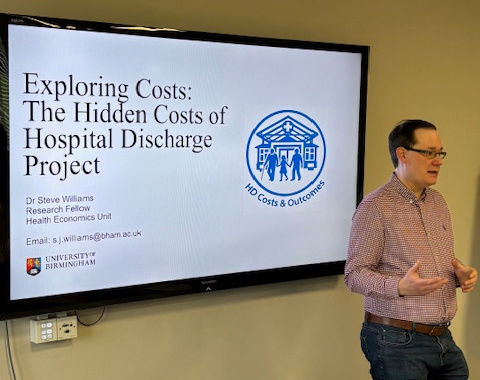
Again, there are opportunities for commissioners to get involved by sharing local strategic/operational documents, contributing commissioning insight and participating in interviews.
Following the presentations there was a discussion around priority areas for future sessions of the Community of Practice, which identifed:
- Neighbourhood health planning and implications for social care.
- Quantifying the benefits of prevention.
- Comparing costs and outcomes of in‑house vs externally commissioned provision.
- Implications of the Procurement Act 2023.
- CQC themes, benchmarking, and carers’ assessments.
- Accessing NIHR and other research funding for local authority‑led research.
Colleagues expressed warm thanks to Patrick Hall as he moves into his new commissioner role in Walsall, recognising his major contribution to building and sustaining the Community of Practice and his intention to remain connected.
If you would like to get involved in the Community of Practice please contact Kathryn.Hudson@wm-adass.org.uk.